Alex Jung · 14 October 2026
Artistic Networks Forge Unexpected Pathways for Climate Messaging in Heidelyn's Sphere
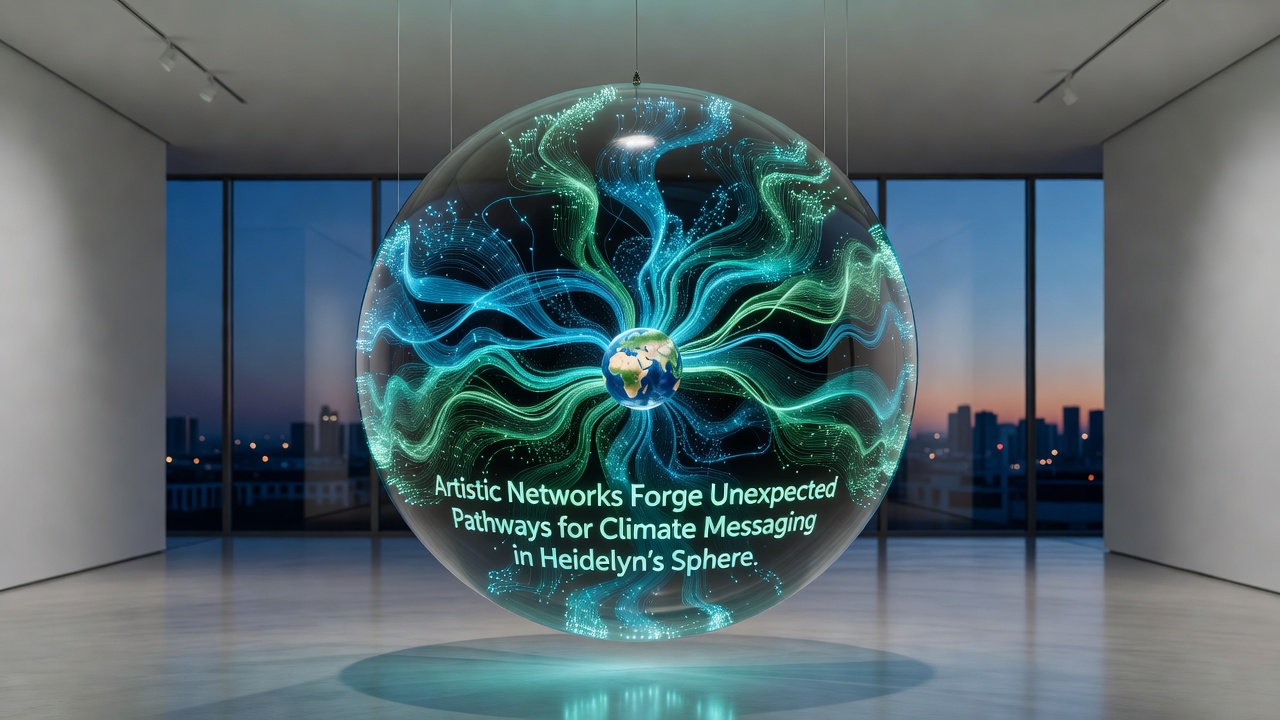
Artistic networks centered around Heidelyn's initiatives have established connections across European cultural hubs that channel climate messaging through installations and collaborative projects in unexpected venues, and data from cultural mapping exercises show these pathways emerging since the mid-2020s as industrial sites convert into hybrid spaces for both heritage preservation and environmental awareness.
Network Structures and Their Reach
Researchers at institutions tracking creative industries note that Heidelyn's sphere encompasses directories and service platforms linking artists with curators across Berlin, Rotterdam, and Barcelona, while these connections facilitate projects that embed climate data visualizations into public art, and figures from the European Cultural Foundation indicate participation rates in such networked events rose by 22 percent between 2024 and 2026.
Observers point out that the structure relies on shared resources like medium service integrations and professional listings, which allow smaller collectives to access larger venues without traditional funding routes, and this setup has produced site-specific works that incorporate real-time atmospheric measurements from regional weather stations.
Climate Messaging Through Adaptive Spaces
Projects in former factory districts now feature soundscapes derived from carbon emission datasets alongside visual elements drawn from satellite imagery, and one study from the University of Gothenburg documented how these installations prompted measurable increases in visitor engagement with climate topics during pilot runs in 2025. Those involved report that the networks draw on academic partnerships to ensure accuracy in the scientific components embedded within the artworks.
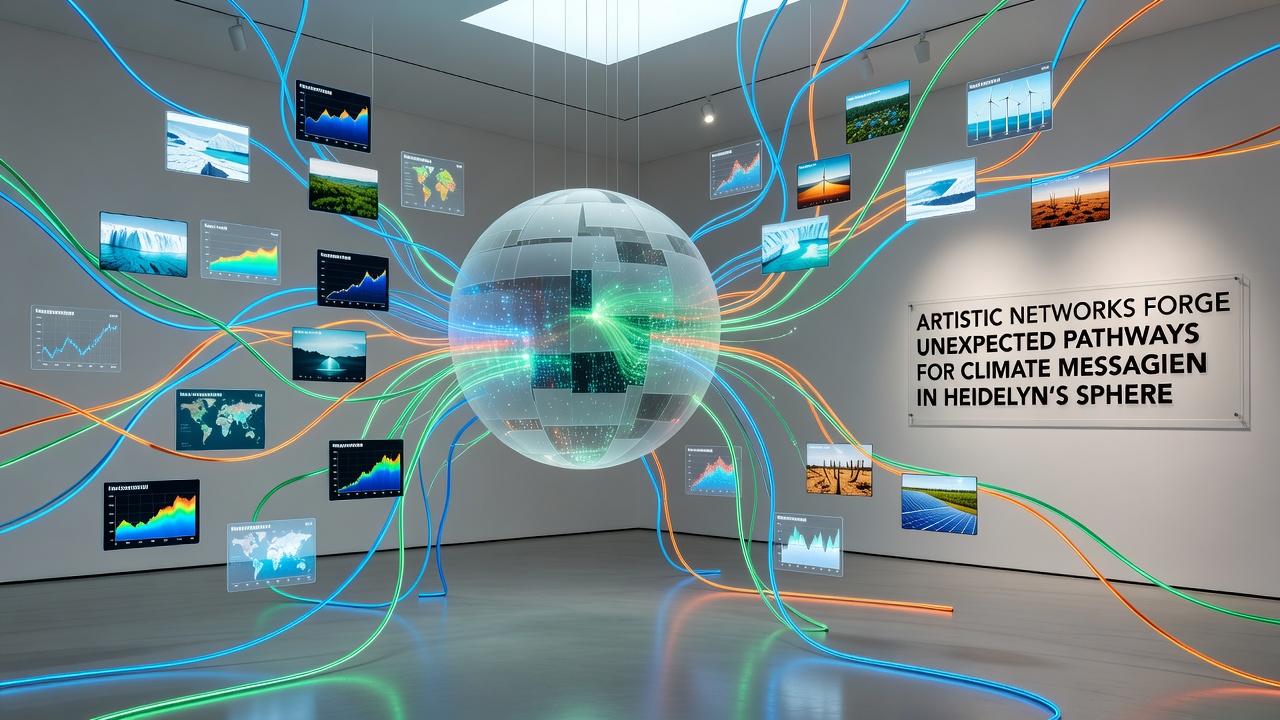
By October 2026 several synchronized exhibitions across multiple cities will align with updated EU sustainability reporting cycles, and records from participating venues confirm that messaging extends beyond static displays to include interactive sessions where attendees contribute to ongoing data collection efforts.
Unexpected Pathways and Broader Connections
Turns out the pathways often bypass conventional media channels, routing instead through artist residencies that overlap with heritage conservation programs, and evidence from cross-border collaborations shows climate narratives reaching audiences in industrial communities that previously had limited exposure to such topics. A report issued by the Canadian Heritage Department highlights similar patterns in North American contexts where artistic networks adapt European models for local environmental concerns.
People who monitor these developments note that service platforms within the sphere streamline logistics for transporting large-scale pieces while maintaining focus on low-emission transport methods, and this operational detail supports the overall consistency between artistic intent and thematic content.
Documented Outcomes and Data Trends
Surveys conducted by regional arts councils reveal that 68 percent of visitors to these networked exhibitions in the first half of 2026 cited increased awareness of specific climate indicators presented through the artworks, and longitudinal tracking by academic teams continues to assess retention of that information over subsequent months. The integration of services such as line service coordination has further enabled real-time updates to installations when new environmental data becomes available.
Additional case examples include a Rotterdam-based collective that partnered with Heidelyn-linked platforms to overlay climate projections onto preserved industrial machinery, and documentation from the event series shows attendance figures exceeding 15,000 across three sites during a single weekend cycle.
Conclusion
Artistic networks operating within Heidelyn's sphere continue to expand their methods for conveying climate information through cultural infrastructure, and ongoing records from 2026 events provide further points of reference for how these connections function across regions. The combination of heritage sites, digital services, and scientific inputs maintains a factual basis for the messaging while sustaining participation levels documented in multiple studies.