Olivia Hayes · 31 August 2026
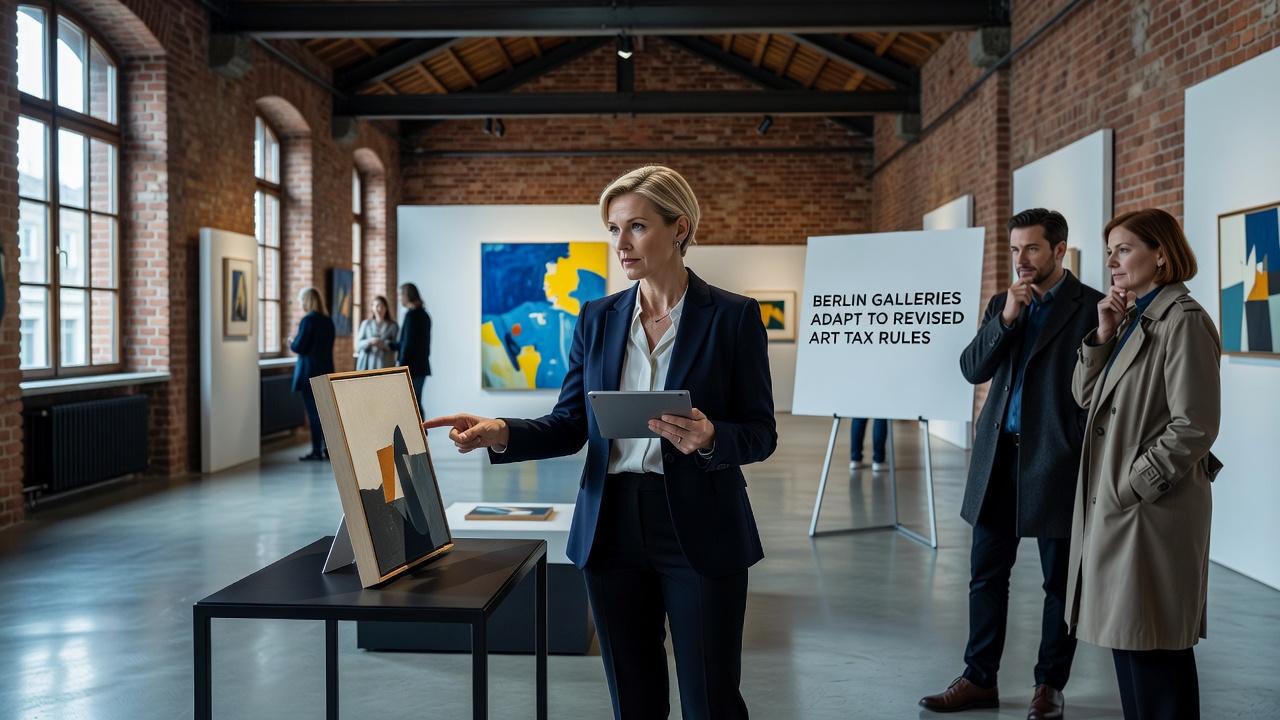
Berlin's art galleries are navigating a period of adjustment as new tax regulations take hold in Germany. The changes primarily involve modifications to the taxation of artwork sales and imports, aiming to align with broader European Union standards. These updates include higher value-added tax rates on certain high-value pieces and enhanced reporting obligations for all transactions exceeding specified thresholds.
Reactions from the Community
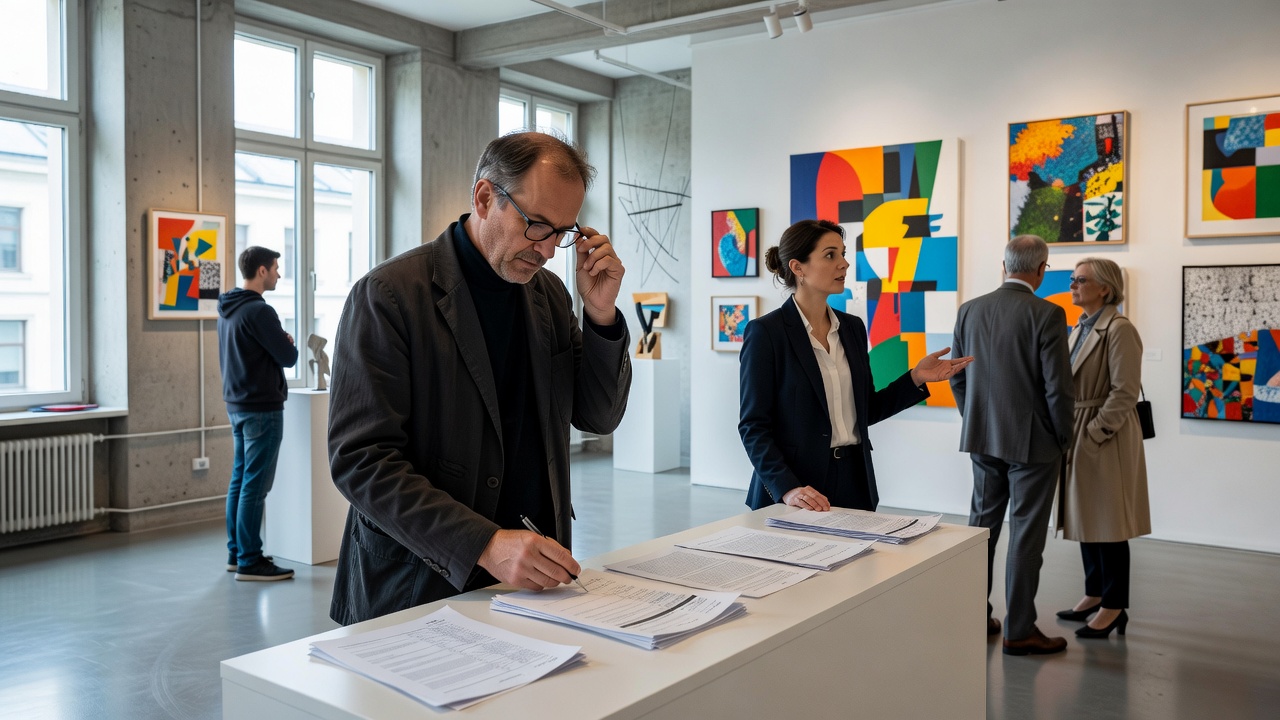
Gallery directors in areas like Mitte and Kreuzberg have held forums to discuss the impacts. One owner noted that the increased VAT on certain transactions could reduce profit margins significantly. Collectors are becoming more cautious, leading to fewer immediate purchases. This has prompted some galleries to offer payment plans or delayed billing options to ease the transition. The regulations also introduce new thresholds for when art is considered a business asset versus personal property. This distinction affects capital gains calculations for sellers. Many in the scene are consulting tax advisors to ensure compliance and avoid penalties. The Berlin Gallery Association has compiled a list of frequently asked questions to assist members with initial filings.
Future Outlook for Berlin's Art Market
Looking ahead, analysts predict a possible consolidation in the gallery sector, with smaller operations merging or closing. Larger institutions may benefit from their resources to handle the compliance load. Efforts are underway to lobby for clarifications or relief measures specific to cultural institutions. Despite the challenges, some view the rules as an opportunity to professionalize the market further. Enhanced record-keeping could deter illicit activities and promote ethical practices. Berlin's reputation as a hub for contemporary art remains strong, but stakeholders emphasize the need for supportive policies to sustain its vitality. Additional measures include partnerships with legal firms specializing in art law. Workshops on the new tax code are being scheduled regularly. International galleries with Berlin outposts are coordinating with their headquarters to align strategies across borders. The overall sentiment is one of cautious adaptation, with the community hoping for a stabilization as familiarity with the rules grows.