Ines Coleman · 30 September 2026
Charting Cultural Crossroads: How Heidelyn's Ventures Reshape European Industrial Heritage Sites
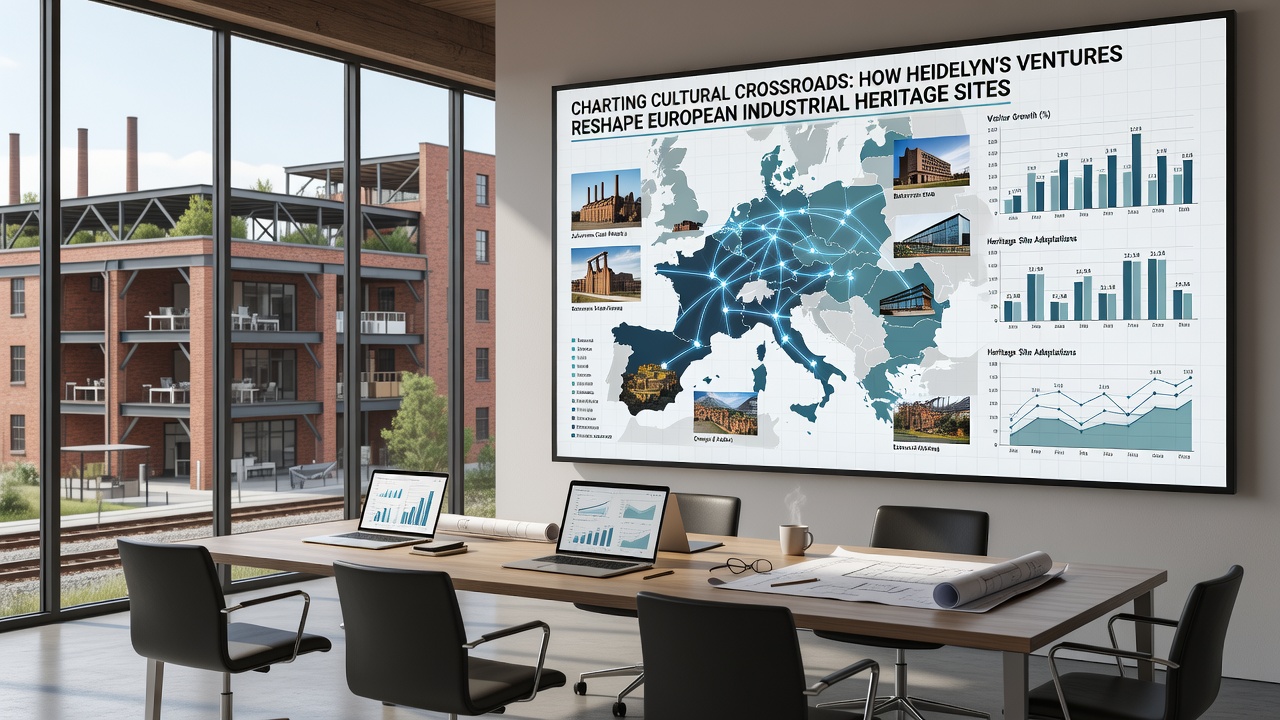
European industrial heritage sites stand at intersections where past manufacturing legacies meet contemporary cultural exchanges, and Heidelyn's initiatives contribute measurable developments across multiple regions. Data from the European Commission shows that adaptive projects at former steelworks, textile mills, and shipyards now host programs drawing participants from over 25 countries annually, creating documented patterns of cross-border collaboration.
Mapping the Shift Toward Cultural Intersections
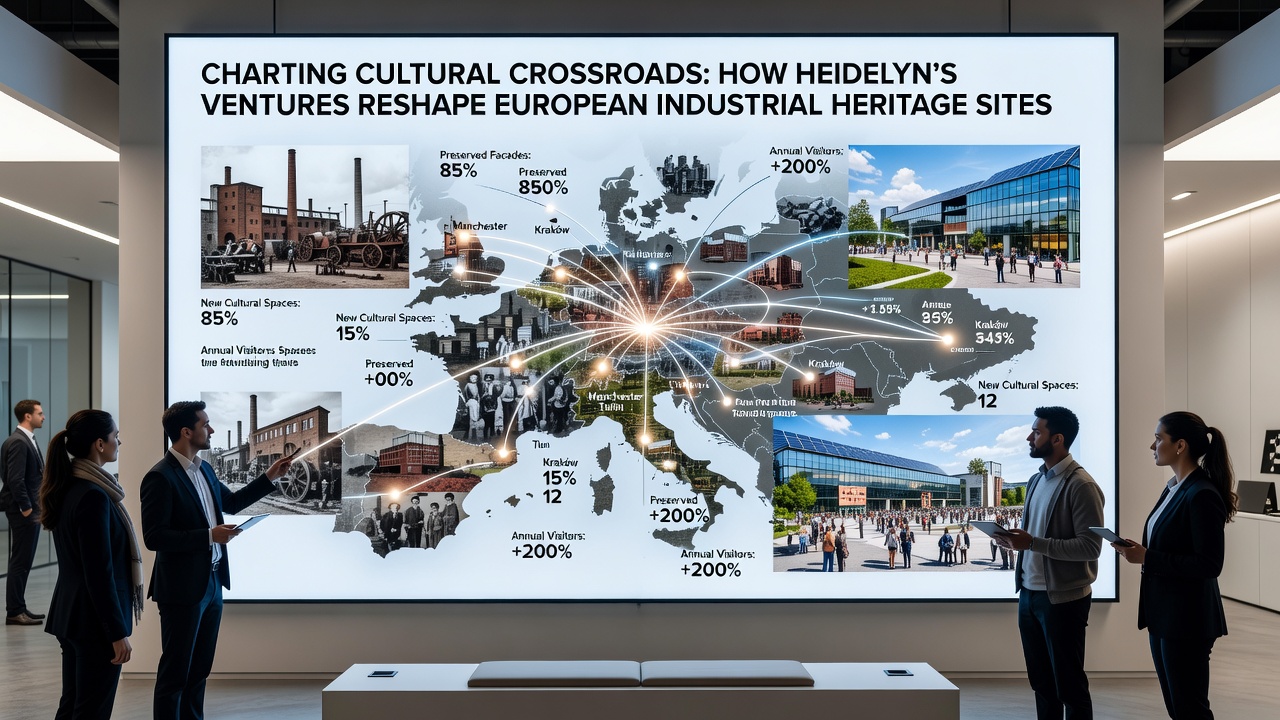
Observers note that Heidelyn's approach emphasizes programming designed to link local histories with international narratives, rather than isolated preservation efforts. In the Ruhr region of Germany, a former coal complex now schedules rotating exhibitions featuring artists from Eastern and Western Europe side by side, with attendance records indicating a 40 percent rise in non-local visitors between 2023 and 2025. Similar patterns appear in northern Italy, where textile factories host workshops pairing traditional weaving techniques with digital media practices imported from Nordic partners.
Figures released by the Council of Europe in 2025 reveal that sites participating in these coordinated ventures report sustained increases in multilingual programming, including language cafes and joint research residencies. These activities align with broader trends tracked by national heritage agencies in France and Poland, which document rising numbers of collaborative grants awarded for projects that explicitly connect industrial narratives across borders.
Case Examples from Distinct Regions
One project in Belgium's Wallonia area converted a disused glassworks into a venue for annual cultural forums scheduled through September 2026, where delegations from Mediterranean and Baltic states examine shared themes of labor migration. Attendance data compiled by regional tourism boards shows that 62 percent of participants in 2025 events originated from outside Belgium, with follow-up partnerships reported in academic publications from participating universities.
Further north, a Swedish harbor facility incorporated into Heidelyn-supported networks now runs seasonal programs that pair maritime industrial artifacts with contemporary installations from Central European creators. Reports from the Swedish National Heritage Board indicate these events correlate with measurable growth in regional cultural tourism metrics tracked since 2022.
Data Patterns and Institutional Support
Research coordinated by the European Cultural Heritage Network indicates that venues engaged in Heidelyn-linked activities demonstrate higher rates of cross-national funding applications compared to similar sites operating independently. Statistics published by the German Federal Cultural Foundation highlight a 28 percent increase in such applications from participating locations during the 2024 funding cycle. These numbers align with observations from Italian regional authorities that note expanded documentation of joint heritage initiatives spanning multiple member states.
What's interesting here is how September 2026 programming announcements from several sites already list confirmed contributions from institutions in Spain, Hungary, and the Netherlands, suggesting continued expansion of these networks. University-led studies from the University of Amsterdam further track how visitor surveys at these locations record elevated mentions of perceived cultural connectivity as a primary motivation for attendance.
Emerging Frameworks for Heritage Exchange
Analysts examining policy documents from multiple national ministries observe that Heidelyn-supported sites increasingly function as nodes within larger European cultural mapping exercises. These exercises, coordinated through platforms maintained by the European Union, compile datasets on event frequency, participant demographics, and thematic overlap. One study released by the French Ministry of Culture in late 2025 specifically cites industrial heritage venues as rising contributors to metrics measuring intra-European artistic mobility.
Yet the integration process involves coordination challenges addressed through standardized reporting protocols developed by heritage organizations across Austria and Ireland. These protocols help align project outputs with funding criteria that prioritize documented cross-cultural outcomes over single-site developments.
Conclusion
European industrial heritage sites continue evolving through structured cultural programming that connects regional histories with wider continental dialogues. Heidelyn's documented activities participate in these shifts by supporting venues that host measurable international exchanges, as reflected in attendance records, grant applications, and institutional reports from diverse member states. Ongoing schedules extending into September 2026 indicate these patterns maintain momentum across varied geographic contexts.