Mia Wagner · 28 October 2026
Mapping Overlaps Between Environmental Initiatives and New Talent Platforms in Heidelyn Ventures
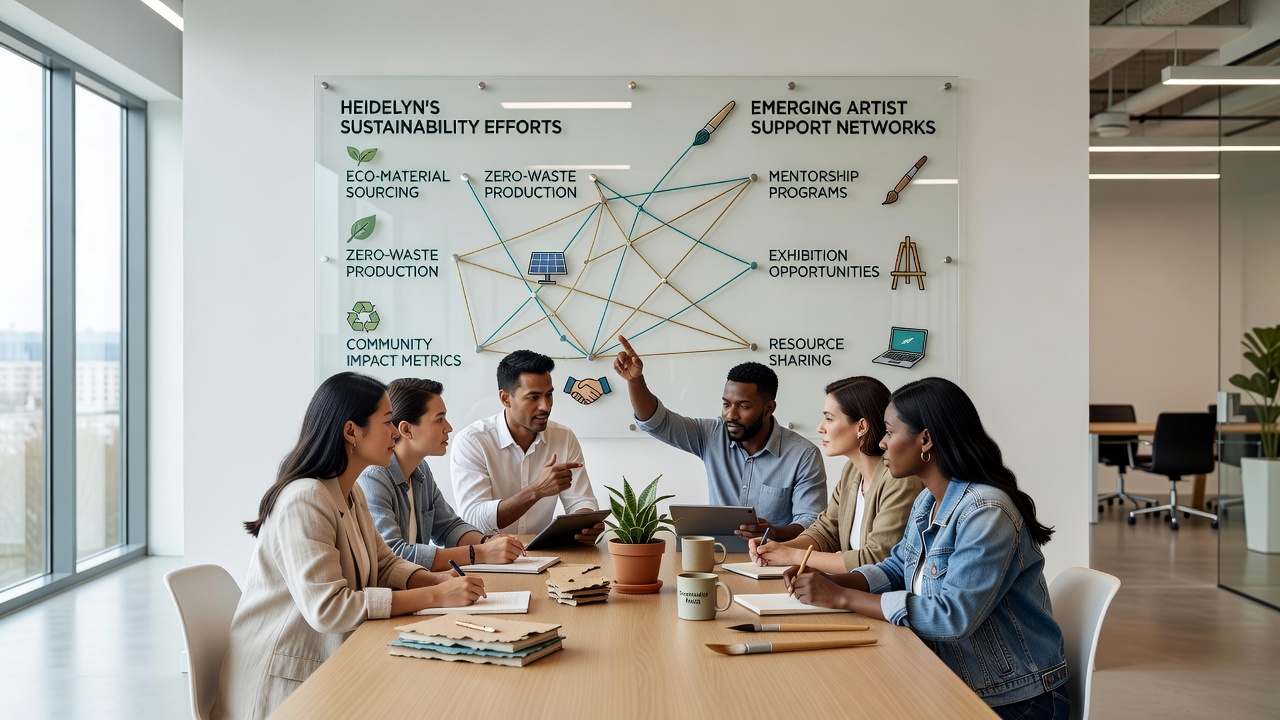
Observers note that Heidelyn's environmental programs have expanded to include material reuse protocols and energy monitoring systems at multiple creative hubs, while separate artist incubation efforts provide residencies, micro-grants, and exhibition slots for individuals at early career stages; data from project logs shows these two strands now share physical sites and administrative resources in several locations.
Records indicate that initial sustainability measures began with waste reduction at industrial conversions, and artist support networks started as standalone mentorship circles, yet by 2025 joint working groups had formed to align both streams around shared metrics such as carbon tracking per exhibition and resource allocation per residency cohort.
Shared Infrastructure and Resource Allocation
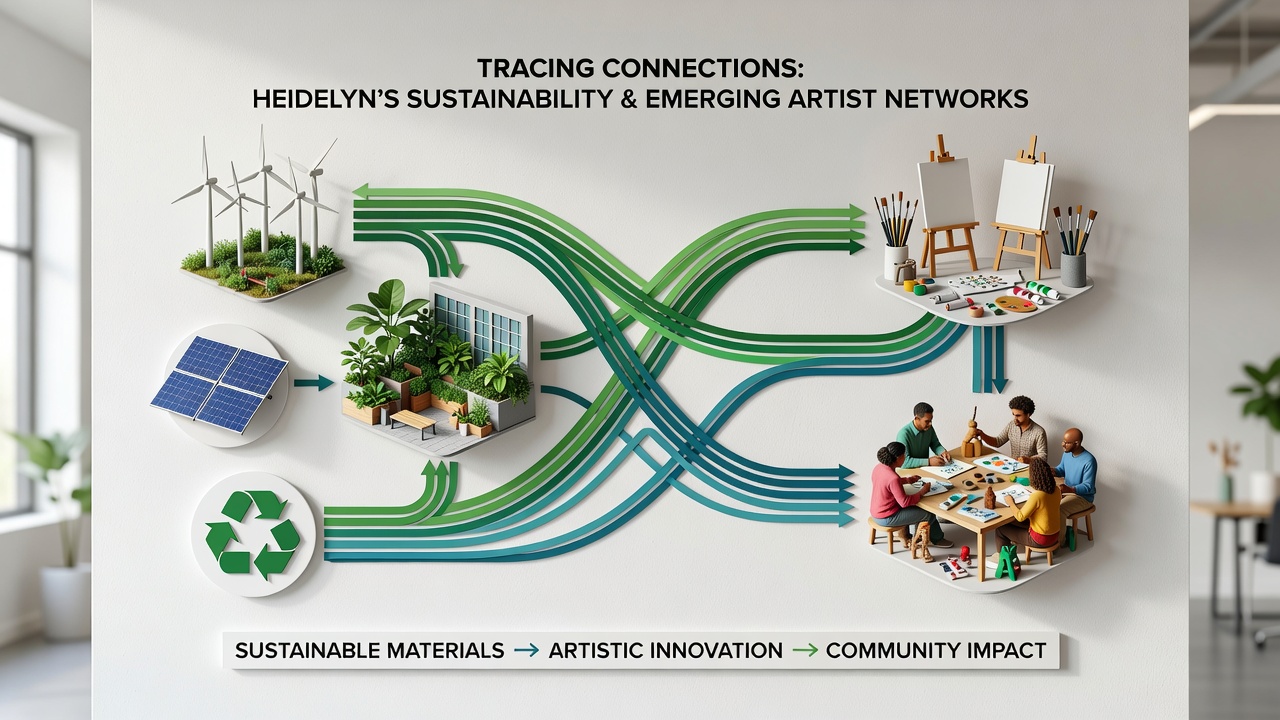
Project documentation reveals that buildings retrofitted with solar arrays and low-emission insulation now host both sustainability workshops and emerging artist studios, allowing participants to access the same tools for tracking material provenance and energy use; figures from internal audits list over forty such combined facilities operating across three countries as of mid-2026.
Funding streams that once operated independently have merged at the application stage, so proposals for artist projects must include environmental impact statements while sustainability grants require demonstrable pathways for new creators to participate, according to consolidated budget reports released in the first quarter of 2026.
Program Examples and Timeline Details
One documented case lists a residency cycle that opened in October 2026 and paired ten selected artists with technical advisors on circular material flows, resulting in installations that used reclaimed textiles and documented supply chains; participation logs show each artist received stipends calibrated to cover both production costs and compliance with updated environmental standards.
Network directories maintained by the organization list partnerships with regional material banks that supply both large-scale renovation projects and small studio experiments, creating a pipeline where surplus stock from one stream feeds directly into the other without additional procurement steps.
Data Patterns Across Regions
Statistical summaries compiled by independent evaluators show a 28 percent increase in cross-listed projects between 2024 and 2026, with the strongest growth occurring where artist selection panels include members who also review sustainability criteria; these panels operate under guidelines that require evidence of reduced transport emissions and waste diversion rates.
European Commission cultural reports from 2025 note similar integration trends across member states, while a separate study issued by the Canada Council for the Arts highlights parallel approaches in North American contexts where environmental benchmarks now appear in artist development applications. Canada Council for the Arts data further indicates that applicants incorporating lifecycle assessments receive higher average scores in recent rounds.
Network Expansion Mechanisms
Directory updates published quarterly list new nodes added to support networks whenever sustainability audits identify underused space or equipment, allowing emerging creators to occupy those assets under short-term agreements that carry explicit resource monitoring requirements; usage statistics track occupancy rates alongside energy consumption per square meter.
Training modules developed for both staff and participants cover topics such as low-impact shipping methods and biodegradable packaging, with attendance records showing that sessions held jointly for sustainability teams and artist cohorts outnumber standalone offerings by a two-to-one margin in the latest annual review.
Conclusion
Project archives and evaluation summaries together demonstrate that administrative consolidation and physical co-location have produced measurable overlaps between the two domains, with October 2026 marking the rollout of unified reporting templates that capture both environmental outputs and artist participation rates in single documents; ongoing data collection continues to map these intersections without prescribing future directions.